
 (956) 874-4520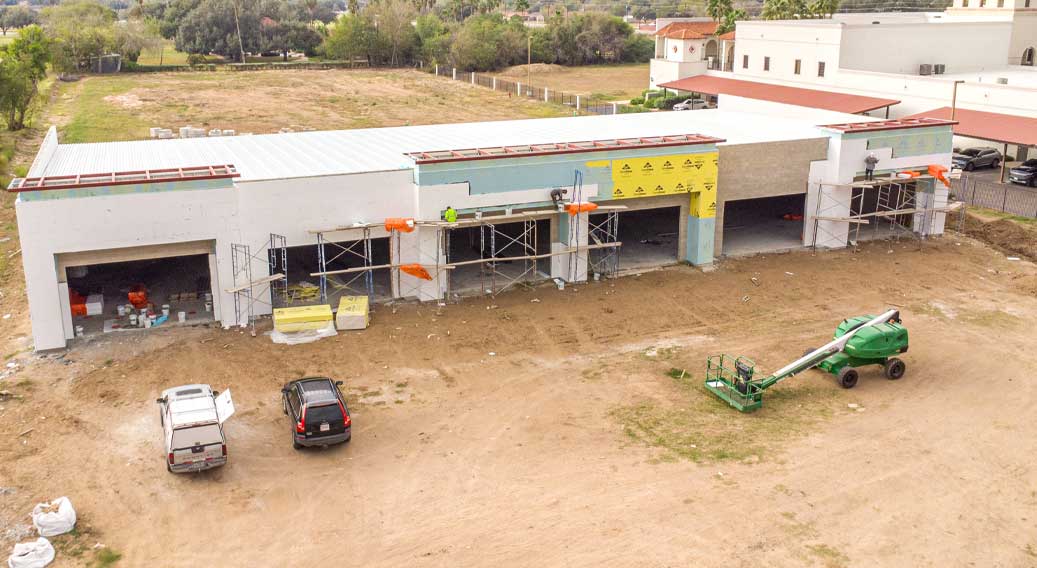
If you are planning a commercial project in Edinburg, Texas, you are entering a market full of opportunity. From growing retail corridors to expanding healthcare and professional service needs, the city continues to attract businesses that want to establish a strong presence in the Rio Grande Valley. For owners and developers, that growth creates exciting possibilities, but it also means every decision, from site selection to final construction, matters.
This article explains the key considerations for planning a commercial construction project in Edinburg, TX, including zoning, permits, budgeting, and scheduling. Whether you are starting from the ground up or expanding an existing facility, working with an experienced commercial contractor in Edinburg, TX, like Liongate Builders, can help turn a complex project into a smoother, more manageable experience.
Why Edinburg Continues to Attract Commercial Development
Commercial construction activity in Edinburg has increased alongside population and economic growth throughout Hidalgo County. According to U.S. Census Bureau data, Edinburg’s population has more than doubled over the past two decades, creating sustained demand for new services, healthcare facilities, retail establishments, and professional office space.
The city’s role as the county seat and home to major educational and healthcare institutions has further strengthened its position as a regional business center. As residential development continues to expand throughout the area, commercial developers are finding opportunities to serve a growing customer base while benefiting from continued public and private investment.
For businesses considering new construction, this growth creates favorable conditions for long-term occupancy, customer acquisition, and property value appreciation.
Understanding Zoning Requirements Before Purchasing Property
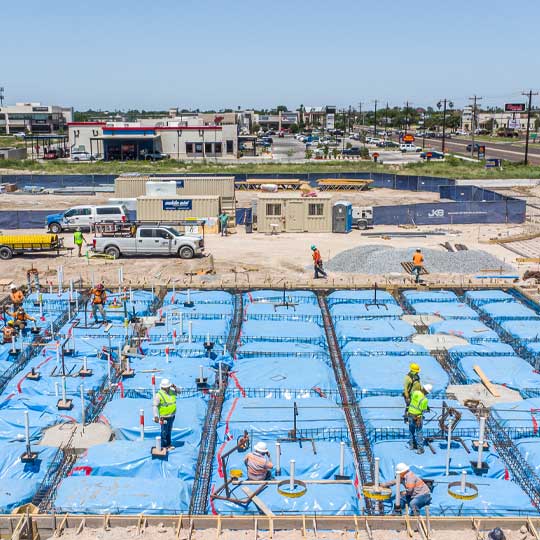
One of the most important steps in any commercial construction project occurs before design work even begins. Business owners must confirm that the property they intend to develop is properly zoned for its intended use. Overlooking zoning restrictions can lead to costly redesigns, permit complications, or even the inability to proceed with development as planned.
1. Property Use Compatibility
Commercial zoning classifications often distinguish between retail, office, industrial, healthcare, and mixed-use developments. While a location may appear ideal from a business perspective, zoning regulations ultimately determine whether a specific use is permitted. In some cases, a property may allow the intended use outright, while in others it may require a special approval, variance, or additional review before construction can move forward.
2. Setbacks, Height, and Building Placement
Zoning regulations also establish development standards that shape the physical layout of the project. Setback requirements determine how close a structure can be built to property lines, while height limitations may affect the size, visibility, and future expansion potential of the building.
3. Parking, Access, and Circulation
Commercial projects must also account for parking requirements, drive aisles, loading areas, and safe vehicle circulation. The number of required parking spaces often depends on the building’s use and square footage, and access points may need to meet specific local standards.
4. Landscaping, Drainage, and Site Appearance
Many zoning codes include standards for landscaping, screening, and stormwater management. These requirements are intended to improve aesthetics, reduce runoff, and protect neighboring properties.
In practice, they can affect grading plans, detention areas, irrigation needs, and the amount of usable space available for the building itself. Addressing these items early helps avoid delays during permitting and construction.
5. Signage, Easements, and Utility Considerations
Zoning rules may also regulate signage size, placement, and illumination, which can affect how visible a business is from the street. In addition, property owners should review easements, utility corridors, and fire access requirements before finalizing a site plan.
The table below highlights several common zoning considerations that can affect commercial construction projects.
| Zoning Consideration | How It Affects Your Commercial Project |
| Property Use Classification | Determines whether your intended business activity is permitted on the site. |
| Parking Requirements | Influences the number of parking spaces required, site layout, and customer accessibility. |
| Setback Regulations | Dictates how close the building can be constructed to property lines, affecting the overall footprint. |
| Height Restrictions | May limit the building’s height, number of stories, or future expansion potential. |
| Landscaping Standards | Requires designated green space, screening, or irrigation, which can impact development costs and site planning. |
| Signage Regulations | Controls the size, placement, lighting, and visibility of business signage. |
Addressing these requirements during the planning stage helps reduce risk and supports a smoother approval process.
Navigating the Commercial Permitting Process
Every commercial construction project must obtain the necessary permits before construction begins. Permitting requirements exist to ensure public safety, code compliance, infrastructure compatibility, and environmental responsibility.
The process typically starts with confirming that the property is zoned for the intended use. From there, the project team prepares site plans, architectural drawings, engineering documents, and any supporting reports needed by the city or other reviewing agencies. Once submitted, those plans are reviewed for code compliance, safety, and infrastructure impact. If revisions are requested, the design team must update the documents and resubmit them before approval can move forward.
Permit reviews often take longer than anticipated when project documentation is incomplete or when plans require revisions. Site drainage concerns, utility coordination issues, and code compliance questions can also extend review timelines.
Businesses frequently underestimate the amount of coordination required during this stage. An experienced contractor like Liongate Builders works closely with architects and engineers to ensure submissions are complete and responsive to municipal requirements, helping reduce unnecessary delays.
Conduct Thorough Site Due Diligence
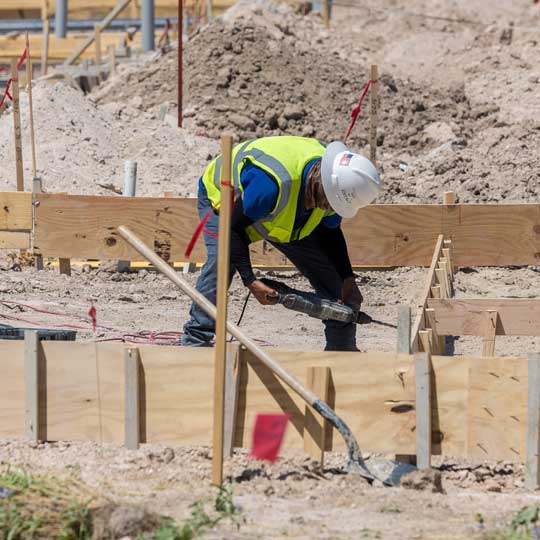
The characteristics of a development site can significantly influence project costs, timelines, and long-term performance. Comprehensive site evaluations help identify potential challenges before construction begins.
1. Soil Conditions and Foundation Requirements
Geotechnical investigations assess soil composition and load-bearing capacity. These findings directly influence foundation design and can reveal conditions that require specialized engineering solutions.
2. Utility Infrastructure Availability
Commercial developments depend on reliable access to water, sewer, electrical, telecommunications, and natural gas services. Utility upgrades or extensions can significantly affect budgets and schedules if not identified early.
3. Stormwater Management and Drainage
South Texas weather conditions make drainage planning particularly important. Proper stormwater management helps protect both the development and neighboring properties while ensuring compliance with local regulations.
A well-designed drainage strategy can reduce future maintenance requirements and mitigate flood-related risks.
Incorporating Innovation and Sustainability into Commercial Construction
Modern businesses increasingly prioritize facilities that are efficient, adaptable, and sustainable. Energy-efficient building systems can reduce operating expenses while creating more comfortable environments for employees and customers.
Innovative construction techniques, advanced building materials, and smart technologies are helping businesses improve building performance without sacrificing aesthetics or functionality.
Features such as energy-efficient HVAC systems, LED lighting, enhanced insulation, water conservation systems, and automated building controls can contribute to lower lifecycle costs and stronger long-term value.
Creating a Realistic Construction Budget with a Commercial Contractor in Edinburg, TX
While every project is unique, construction costs have experienced notable fluctuations in recent years due to labor shortages, material pricing volatility, supply chain disruptions, and evolving regulatory requirements.
Many first-time developers focus primarily on building construction costs while overlooking other significant expenses. Commercial projects typically involve land acquisition, professional design services, permitting fees, site preparation, utility work, construction, furnishings, equipment, and contingency planning.
| Cost Category | What’s Typically Included |
| Land Acquisition | Property purchase, closing costs, legal fees, and due diligence expenses. |
| Design Services | Architectural design, structural engineering, civil engineering, and consultant fees. |
| Permitting & Reviews | Building permits, plan reviews, inspections, impact fees, and municipal approvals. |
| Site Development | Clearing, grading, excavation, utilities, drainage systems, paving, and landscaping. |
| Building Construction | Foundation, structural framing, roofing, exterior envelope, interior finishes, and building systems. |
| Equipment & Furnishings | Furniture, fixtures, equipment (FF&E), technology infrastructure, and operational installations. |
| Contingency Reserve | Budget allocated for unforeseen site conditions, design revisions, material price fluctuations, or scope changes. |
Industry best practices generally recommend maintaining a contingency allowance to address unforeseen conditions and project changes. This reserve provides flexibility while reducing financial risk during construction.
Bringing a contractor into the planning process early can significantly improve cost accuracy. Through pre-construction services, contractors can provide budgeting insights, evaluate design alternatives, identify potential cost-saving opportunities, and improve overall project efficiency.
Developing a Construction Schedule That Supports Business Goals
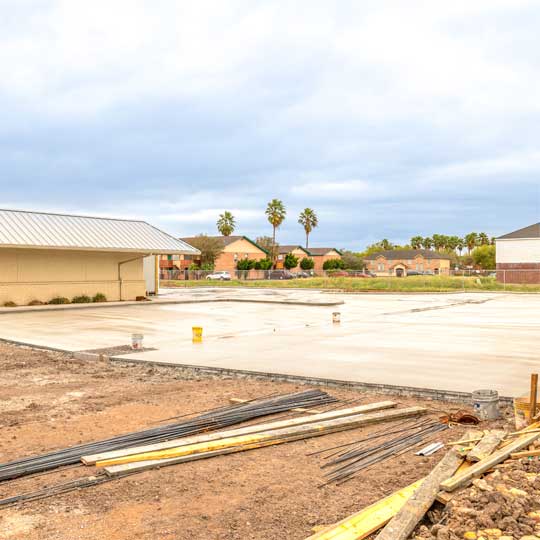
Time is often one of the most valuable resources for commercial development. Delayed project completion can affect tenant occupancy, business operations, financing arrangements, and revenue generation.
1. Design and Preconstruction Coordination
One of the most common causes of schedule disruption is moving into construction before the design is fully coordinated. Architectural drawings, engineering documents, site plans, and utility layouts all need to work together before work begins in the field. When these elements are not aligned early, the project may face redesigns, change orders, or permit resubmissions that slow progress.
Preconstruction planning also allows owners and contractors to evaluate constructability. This stage can reveal whether certain materials have long lead times, whether the site requires additional preparation, or whether design choices may create avoidable delays later. A well-planned preconstruction phase often saves time during the actual build because fewer decisions are left unresolved once construction starts.
2. Permitting and Approval Timelines
Permitting is another major scheduling factor that should never be underestimated. Commercial projects often require multiple reviews from local departments, utility providers, and other agencies before construction can begin. Depending on the scope of work, approvals may involve building plans, civil engineering, drainage, fire protection, accessibility compliance, and utility coordination.
Because review timelines can vary, businesses should build permitting into the schedule from the beginning rather than treating it as a separate administrative step.
3. Procurement and Material Lead Times
Material availability can have a significant impact on commercial construction schedules. Items such as structural steel, HVAC equipment, electrical components, specialty finishes, and custom fixtures may require extended lead times, especially when supply chains are strained, or products must be ordered to specification.
If procurement is not addressed early, a project may reach a point where crews are ready to work, but critical materials have not yet arrived. That creates downtime, increases labor inefficiency, and can extend the overall completion date.
4. Weather, Site Conditions, and Field Productivity
In South Texas, weather can also influence construction timing. Heavy rain, extreme heat, and seasonal storms may affect excavation, concrete placement, exterior work, and site access. Even when weather does not stop work entirely, it can reduce productivity and shift the sequence of tasks.
Site conditions matter as well. Unexpected soil issues, drainage concerns, or utility conflicts can require additional work before vertical construction can proceed. These conditions are not always visible during early planning, which is why contingency time should be built into the schedule.
5. Inspections, Closeout, and Occupancy
The final stages of a commercial project are often more time-sensitive than owners expect. Inspections, punch list completion, commissioning, and final approvals all need to be completed before the building can be occupied. If these steps are rushed or overlooked, the project may be physically complete but still unavailable for use.
Selecting the Right Commercial Contractor in Edinburg, TX
The commercial contractor you choose can significantly influence the success of your project. Beyond construction expertise, the ideal partner should bring local knowledge, strong communication skills, proven project management capabilities, and a commitment to quality.
1. Experience Matters
Commercial construction presents unique challenges that differ substantially from residential projects. Contractors with experience in office buildings, retail centers, healthcare facilities, industrial developments, and mixed-use projects are often better equipped to navigate complex requirements and deliver successful outcomes.
2. Local Knowledge Creates Advantages
A contractor familiar with the Edinburg market understands regional construction conditions, permitting processes, subcontractor networks, and municipal expectations. This local expertise can improve project efficiency while reducing the likelihood of unexpected obstacles.
3. Quality and Long-Term Value
Commercial buildings are long-term investments. Choosing a contractor with rigorous quality assurance standards helps protect that investment by reducing maintenance concerns, minimizing defects, and enhancing long-term building performance.
4. Communication and Preconstruction Support
Another important factor is how well the contractor communicates before construction begins. A strong commercial contractor should be able to walk you through budgeting, scheduling, permitting, and design coordination with clarity and transparency. Early involvement in the planning stage often leads to better decisions, fewer change orders, and a smoother overall process.
Partner With Liongate Builders for Your Commercial Construction Project
Commercial construction requires technical expertise, but it also requires a trusted partner who understands your vision, goals, and long-term business objectives.
At Liongate Builders, we bring more than a decade of experience serving the Rio Grande Valley with a relationship-focused approach rooted in quality, innovation, and customization. Our team collaborates closely with clients throughout every stage of development, from pre-construction planning and permitting coordination to project management and final delivery.
Ready to start your commercial project in Edinburg? Contact Liongate Builders today to schedule a consultation.


